Drawing on 70 years of experience, AABR offers simple ways to make holiday parties, shopping and dining more welcoming for people with autism and sensory sensitivities.
Holiday parties, shopping trips and restaurant visits bring people together. For individuals with autism and sensory sensitivities, bright lights, loud music, crowds and changes in routine sometimes make these experiences overwhelming.
With 70 years of experience working with individuals with developmental disabilities, including people on the autism spectrum, AABR (All Abilities Beloved and Respected) knows that small adjustments make a big difference. The nonprofit organization is sharing practical tips for families, party hosts, businesses, and community members to create more comfortable, inclusive holiday experiences.
“Everyone deserves the opportunity to enjoy the holidays in ways that work best for them,” said Jeff Levy, Chief Operating Officer of AABR, Inc. “Simple changes, such as lowering music, offering a quiet space or allowing extra time, make gatherings and public spaces more welcoming for individuals with sensory sensitivities and their families.”
Tips for a More Inclusive Holiday Season
1. Share Holiday Party Plans in Advance: Let individuals and families know what to expect at holiday gatherings, including the location, activities, guests and schedule. Photos or videos of the venue will also help familiarize guests with the surroundings.
2. Respect Routines: Maintain familiar mealtimes and bedtimes when possible. Build in breaks and consider an early New Year’s countdown for those who prefer their regular bedtime.
3. Adjust Music and Lighting: Lower music volume, reduce flashing lights and avoid sudden loud noises. Smaller gatherings and quieter activities create a more comfortable atmosphere.
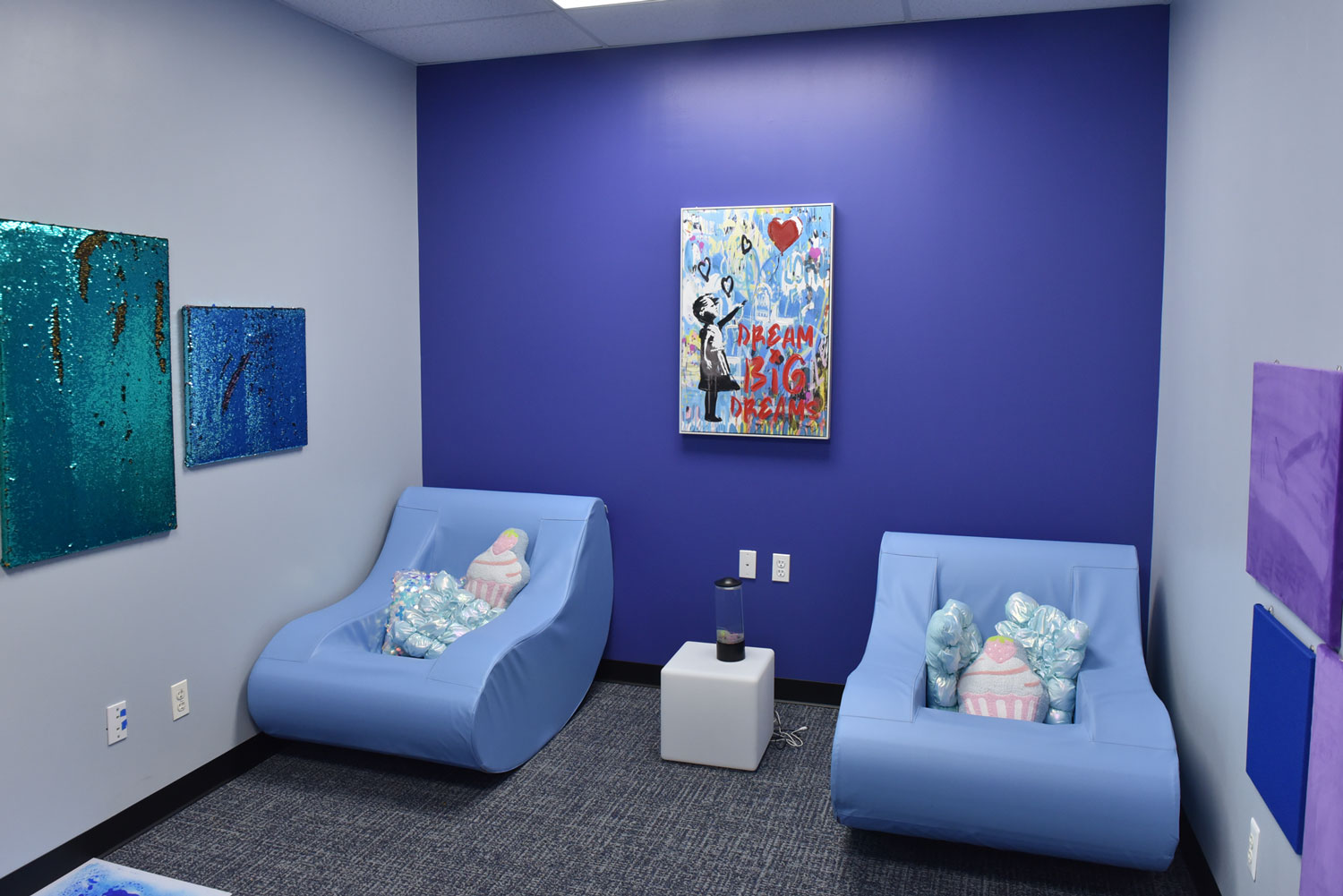
4. Offer a Quiet Space: Designate a comfortable room or area with soft lighting where guests have the opportunity to take breaks from noise and activity.
5. Welcome Sensory Supports: Encourage the use of noise-canceling headphones, familiar comfort items, fidget tools or communication devices that support comfort and participation.
6. Choose Sensory-Friendly Activities: Consider quieter Santa visits, holiday displays and celebrations. Replace loud noisemakers and fireworks with bubbles, glow sticks or silent displays.
7. Respect Personal Boundaries: Avoid pressuring individuals to hug, shake hands, pose for photographs or participate in activities. Allow everyone to engage at their own comfort level.
8. Ask, Listen and Be Patient: Respect individual preferences for food, activities and personal space. In stores and restaurants, allow extra time, provide space and offer quieter seating when available.
9. Plan for Flexibility: Recognize signs of sensory overload and allow individuals to step away or leave early when needed. Having a flexible schedule and an exit plan will reduce stress.
“After 70 years of working with individuals with developmental disabilities, we have seen how thoughtful accommodations make a meaningful difference,” added Levy. “A quieter room, softer lighting or a little extra patience makes it easier for individuals and families to participate in holiday traditions and create special memories together.”